

SUSTAINABILITY

Eco

可持续发展
ECO


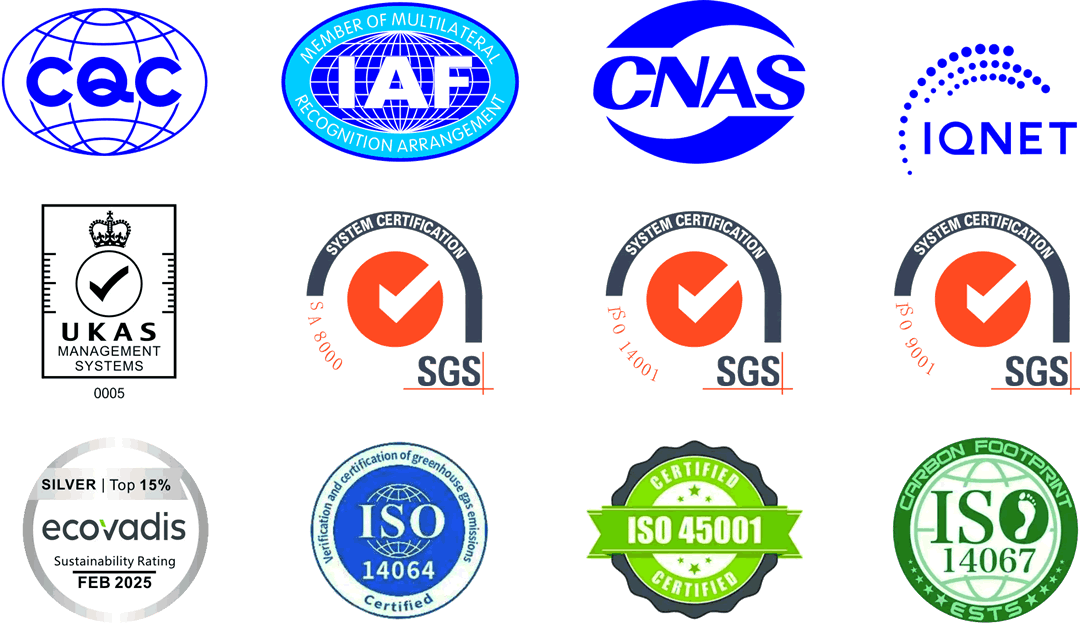
Huayang Chemical Wins EcoVadis Silver Medal


1. Scientific Governance Implementation
  • Business Ethics: We adhere to ethical and legal operations with zero tolerance for corruption and bribery. We implement risk assessment and control measures, regularly reviewing system effectiveness. We conduct compliance due diligence on third parties, covering areas such as conflicts of interest, corruption, and related-party transactions, conducting employee ethics training (with coverage rate of 100%) and foster a culture of integrity.
  • Information Security: We comply with relevant laws and regulations, maintaining a robust information security management system to ensure confidentiality and integrity. We take measures include data backup and recovery, regular vulnerability scanning and remediation, and enhanced the response and emergency handling of information security incidents. Comprehensive security training is provided to all employees to improve prevention.
  • Whistleblowing Mechanism: We establish a confidential reporting system that protects whistleblowers’ rights and ensures information security.
2. Sustainable Development Management
  • Sustainability Governance: The ESG principle is put in to practice with regarding sustainable development as a long-term cornerstone. We have built a comprehensive social responsibility management system in compliance with SA8000 and regulations to enhance ESG performance.
  • Stakeholder Engagement: We maintain regular communication to understand and response to stakeholder needs, creating sustainable value.
  • Materiality Analysis: By referencing global ESG standards and aligning with corporate strategy, we identify annual core issues to guide sustainability initiatives.
3. Product Excellence Creation
  • Customer Focus: With a “customer-first” philosophy, we deliver premium products. Our satisfaction surveys achieve 100% response rates, all scoring above the 110-point benchmark.
  • Environmental Impact Assessment: Our quality and safety management system includes rigorous risk identification, product lists detailing health and safety impacts, and effective customer communication channels.
  • Product Safety: We establish comprehensive recall procedures with regular drills and system evaluations.
4. Sustainable Supply Chain
  • Supplier Access: Strict qualification processes assess suppliers’ quality, labor rights, safety, and environmental compliance.
  • ESG Risk Management: We identify supplier ESG risks, providing on-site guidance to medium/high-risk vendors.
  • ESG Development: ESG clauses are incorporated into contracts, requiring Code of Conduct compliance. We provide incentives to suppliers with outstanding ESG performance and carry out ESG training to enhance the sustainable development of both sides.
5. Employee Development Empowerment
  • Rights Protection: We strictly comply with labor laws, guaranteeing employee rights with zero tolerance for violations.
  • Diversity & Inclusion: We promote equality through disability-inclusive hiring, gender equity programs, and women’s welfare initiatives.
  • Benefits & Care: Competitive compensation and benefits include social insurance, housing funds, accident coverage, annual health checks, retired employees caring, mental health support, and hardship assistance programs.
  • Training & Growth: Our tailored training system fosters continuous learning, with dual career paths and merit-based promotions.
  • Occupational Health & Safety: We implement the approach of “safety first, prevention foremost” through dedicated committees, risk assessments, hazard controls, occupational health training program, health check, and comprehensive emergency systems.
6. Ecological Commitment Fulfillment
  • Environmental Management: We maintain ISO 14001 certification with strict legal compliance, environmental risk controls, and “three simultaneities” for new projects. Green office practices and regular eco-training are implemented.
  • Pollution Control:Strictly enforce national laws and regulations to ensure that the “three wastes” (wastewater, waste gases and residues) are discharged up to standard.
    • Wastewater:Multi-stage treatment systems with strict rainwater/sewage separation.
    • Waste gas:Acid mist reduction technologies and dust removal equipment maintenance.
    • Residues:Classified collection. The general residues are recycled and the hazardous waste is handled by qualified units..
    • Noise: Low-decibel equipment selection and regular monitoring.
  • Climate Action: Taking 2023 as the base year, reduce greenhouse gas emissions per unit of revenue by 10% by 2025, reach carbon peak in 2023, and achieve carbon neutrality by 2050. Meanwhile, carbon footprint tracking and verification systems are operational.
  • Resource Efficiency:Promote the in-depth development of water and energy conservation through concrete actions.
    • Water:Adopt advanced recycling systems and pipe maintenance to minimize waste.
    • Energy:Carry out energy management system to standardize energy usage and enhance utilization efficiency. Actively implement energy-saving technological transformation projects including promoting new energy vehicles, strengthening the maintenance and repair of gas and steam pipelines, and using solar street lamps.